Pricing
A clear guide to understanding pricing, how to compare options, and tips to get fair value.
Pricing is more than a number on a tag. It’s a complete equation that includes what you get today, what you’ll pay over time, and how easily you can justify the expense. In this guide, we’ll break down how pricing works, what to watch for, and how to compare options so you can make a confident decision. Whether you’re shopping for software, hardware, services, or subscriptions, understanding pricing helps you get fair value without overspending.
How pricing is structured
Pricing structures come in several forms, and recognizing the pattern helps you forecast total costs. Here are the most common models:
- Per-unit or per-seat: You pay for each user or device. This is common for software and services.
- Tiered pricing: Different feature bundles at set price points. Upgrading often unlocks additional capabilities.
- Usage-based pricing: Costs scale with how much you actually use the product (e.g., data, transactions, minutes).
- Flat-rate pricing: A single price for all features, typically with predictable monthly or annual payments.
- Bundles and add-ons: Core product plus optional modules, plugins, or services.
- Free with paid upgrades: Base product is free, but premium features require payment.
Understanding which model you’re facing helps you project future costs. It also guides negotiation, budgeting, and whether you’ll hit price cliffs or value ceilings as needs grow.
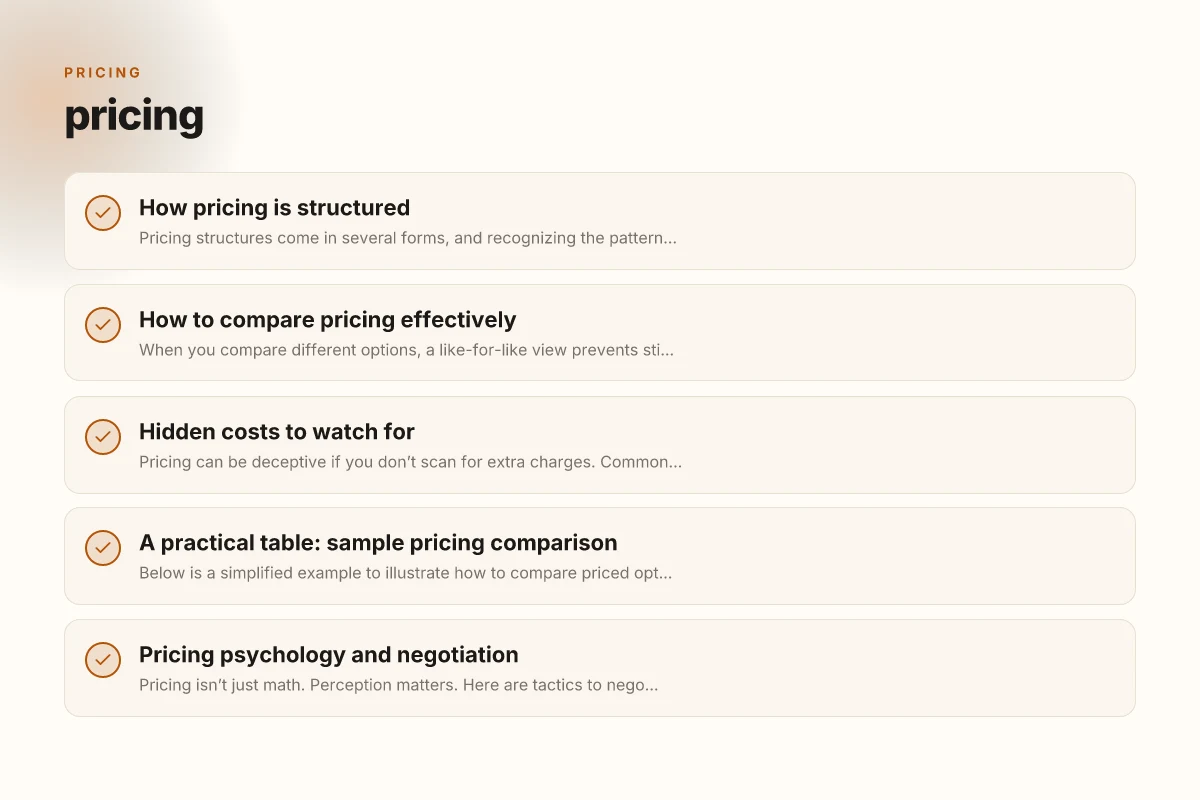
How to compare pricing effectively
When you compare different options, a like-for-like view prevents sticker shock. Use these steps:
- List what you actually need: features, users, data limits, support level.
- Create a side-by-side cost breakdown: base price, per-user or per-unit costs, data usage, add-ons, and any project or implementation fees.
- Consider contract terms: monthly vs annual, auto-renewals, and price changes on renewal.
- Include implementation and onboarding: setup, migration, training, and consultant costs.
- Factor support and service levels: response times, availability, and SLA credits.
- Look for price protection: grandfathered plans, loyalty discounts, or price locks.
A clean comparison often reveals hidden costs that are easy to overlook when looking only at the sticker price. A left winger and karlsson icon afc icon nfl icon quincy wilson womens jersey
Hidden costs to watch for
Pricing can be deceptive if you don’t scan for extra charges. Common hidden costs include:
- Data overage charges: When usage exceeds plan limits.
- Overhead for add-ons: Plugins, integrations, or premium connectors.
- Renewal price increases: Some vendors raise prices after an introductory period.
- Implementation and migration fees: Fees for moving data or configuring systems.
- Training and onboarding: Costs to get your team up to speed.
- Support tier charges: Higher levels of support can be mandatory for certain features.
To avoid surprises, ask vendors for a transparent price quote that includes all potential fees for the first year and the second year. If possible, request a 24-month forecast to model potential growth.
A practical table: sample pricing comparison
Below is a simplified example to illustrate how to compare priced options. Adjust to your real options with your own figures.
| Item | Option A | Option B | Option C |
|---|---|---|---|
| Base price (monthly) | $20 | $15 | $25 |
| Seats included | 5 | 3 | 10 |
| Per-seat cost | $4 | $5 | $2 |
| Data/usage limit | 100 GB | 50 GB | 200 GB |
| Overage per GB | $0.10 | $0.20 | $0.08 |
| Support level | Standard | Standard | Premium |
| Annual discount | 0% | 5% | 10% |
Notes: How to connect VPN on Android phone
- Option C looks cheapest per-seat, but check data usage and overages.
- If you expect growth, a higher upfront base with more included units can save money later.
- Premium support often justifies the higher price if uptime matters.
This table is a starting place. Replace with real quotes to make accurate decisions.
Pricing psychology and negotiation
Pricing isn’t just math. Perception matters. Here are tactics to negotiate fair terms:
- Anchor higher offers: Start with a higher price and negotiate down to a reasonable middle.
- Bundle to save: Ask for bundles that include essential add-ons at a discount.
- Leverage annual payments: Vendors often offer substantial savings for annual commitments.
- Highlight your loyalty potential: Mention potential for long-term future expansion to secure favorable terms.
- Don’t fear walking away: If a quote isn’t workable, you can test other providers or request a pilot period.
Be respectful and specific in negotiations. Provide a clear use case, quantify your expected usage, and share any constraints you have in your budget or timeline.
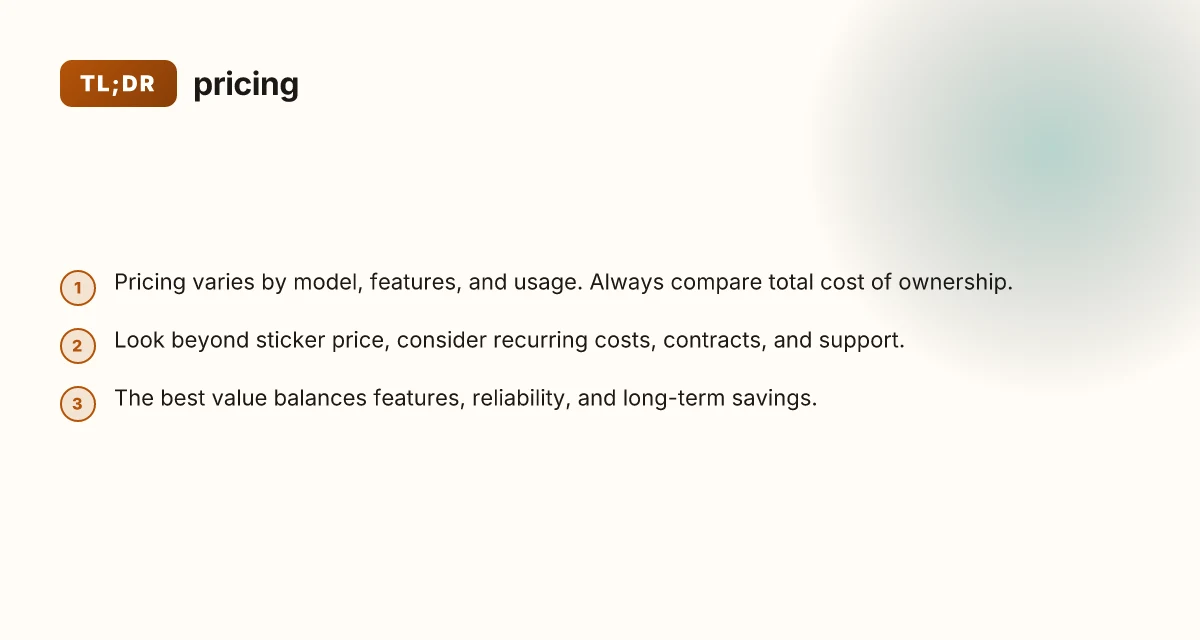
Total cost of ownership and value
Price is only part of value. The total cost of ownership (TCO) includes upfront costs plus ongoing expenses, maintenance, and decommissioning. Consider: Connect VPN Windows app
- Initial purchase or setup costs: hardware, software licenses, implementation.
- Recurring costs: subscriptions, maintenance, hosting, or data storage.
- Downtime and risk: How much uptime you need and the cost of outages.
- Productivity gains: How much time or effort the product saves your team.
- Depreciation and tax implications: How your accounting treats the purchase.
- End-of-life costs: Migration, archiving, or disposal fees.
A high upfront price can still yield better long-term value if it reduces maintenance or increases reliability. Conversely, a low upfront price may create ongoing expenses that outweigh initial savings.
How to forecast pricing for future needs
Organizations and individuals often misestimate future cost. A disciplined approach helps:
- Define growth scenarios: best-case, moderate, and aggressive usage.
- Build a pricing model: map base price, increments, and possible overages for each scenario.
- Add contingency: a buffer for price changes or unplanned needs.
- Review quarterly: adjust projections as usage patterns evolve.
If you’re shopping for personal use, create a simple spreadsheet with your anticipated monthly spend and a 12-month forecast. For teams, involve stakeholders from IT, finance, and operations to align on expectations.
Final recommendations
- Start with a needs-first assessment: List features, user counts, data usage, and desired support level.
- Get formal quotes: Request itemized, all-in costs for at least two years. Ask for a breakdown of every line item.
- Compare on total cost of ownership, not just monthly price: Include setup, training, data, and renewal terms.
- Beware price cliffs: A plan that looks cheaper now can spike when you need more seats or higher usage.
- Favor clarity and flexibility: Contracts with clear renewal terms, price protection, and scalable options reduce risk.
- Pilot when possible: A short-term trial or pilot can reveal hidden costs and validate value before long-term commitment.
If you’re choosing among several pricing options, the best value typically balances predictable costs with essential features, reliable support, and room to grow. A well-structured quote that aligns with your use case and budget will save you time, money, and headaches down the road. Connect VPN using vpnstreamer Android app